
Why are Long Gaming Sessions Starting to Feel Worse with Age?
As a kid, or even as a younger adult, it was way too easy to sit down to play a game and then look up six hours later, wondering where the day even went. It barely registered. The body bounced back fast, the eyes didn’t seem nearly as annoyed, the back could survive some absolutely terrible posture, and the whole thing just felt exciting instead of exhausting. So, of course, here, that’s probably why so many people don’t notice the shift at first. They only noticed the fun benefits that it gave them. Now, depending on your age, you might have noticed that it’s becoming a bit more challenging, right?
And yeah, that can be a weird adjustment (though this happens slowly over time). Because it’s still fun, of course, it is, but long gaming sessions can start feeling heavier with age. Again, it’s a bit of a slow process, because both physically and mentally, it can kind of weigh just on you a little bit more. And sure, sometimes it can be assumed that it’s just life happening that's making it tough. Which, yes, that's a part of it, but there’s a lot more going on here, too.
The Body Stops Being Forgiving
Yes, it’s a nasty reality check when you’re aging, but yes, younger bodies can put up with a lot more nonsense. It can handle the bad posture, stiff chairs, craning the neck forward, sitting with the wrists bent at odd angles, and staying in the same position for hours, all of which used to feel easier to brush off. Now, well, not so much.
After a while, the lower back starts aching a little more and more, the shoulders tighten up, and it feels fairly constant; the neck feels stiff, and the wrists can start feeling sore in a way that’s hard to ignore. Okay, and that’s before even getting into how annoying it is to stand up after a long session and feel like the body needs a full reboot. Gaming isn’t supposed to make you feel like you need a reboot when you’re supposed to be relaxing, right?
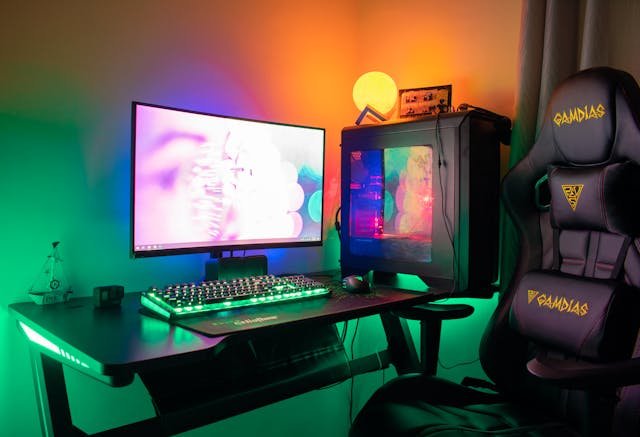
So that’s why setup stuff starts mattering more over time, including proper desk height, better support, and things like gaming chairs (that's preferably economic and not just aesthetically pleasing) that actually help the body hold up a little better during long sessions. It can help to wrist cushion for your wrists, basically, you need to think more about your body, you can’t hunch over as you used to.
The Brain Gets Tired Differently Too
Sure, posture should get the most attention, but it should help to bring up the brain. Now, it’s totally true that video games are great for cognitive health. But at the same time, it can sort of mentally wear you out (in long stretches). Well, intense gaming, to be specific. A lot of games keep the stress response running pretty high. Fast reactions, constant stimulation, adrenaline spikes, frustration, noise, bright screens, competitive pressure, all of that adds up.
When somebody’s younger, that can feel exhilarating. Actually, it’s downright addictive, but with age, it just gradually gets a little more challenging to handle, so your brain and your body just can’t process the stimulation the same way as they used to.
There’s Usually More Eye Strain
Which is probably a given here. Basically, long hours staring at a screen used to feel normal enough, but with age, eye strain can start showing up faster and sticking around longer. You blink less usually, and add in poor lighting and late-night gaming, and it can be pretty irritating.